GEO vs AEO vs LLM monitoring: what is the difference, and which do you need?
Three overlapping terms are competing to describe roughly the same worry: what do AI systems say when someone asks about your brand, your category, or your competitors? This guide defines each term plainly, explains where they overlap, and gives you a simple way to decide what kind of tool you actually need.
Updated 5 July 2026
The short answer
None of these terms is a settled standard
GEO, AEO, and LLM monitoring are young labels for a young problem. Different vendors use them differently, and the boundaries between them shift from one blog post to the next. Do not choose a tool because it wears the right acronym. Choose it based on the question you need answered.
That said, the terms do point at genuinely different activities, and knowing the difference saves you from buying the wrong thing.
Definition
GEO: Generative Engine Optimisation
GEO is the optimisation discipline. It borrows the shape of SEO and applies it to generative engines: the practice of structuring your content, citations, and web presence so that AI systems are more likely to mention, cite, or recommend you in their answers.
GEO is something you do to your own content. A GEO tool typically audits your site, suggests content changes, and tracks whether AI-generated answers start citing you more often. If your main goal is to change how often AI recommends you, you are shopping for GEO.
Definition
AEO: Answer Engine Optimisation
AEO is GEO’s older sibling, coined when the target was answer boxes and voice assistants rather than chat models. It means optimising content so that answer engines (Google AI Overviews, featured snippets, voice search, and now chat assistants) surface your content as the answer.
In practice, AEO and GEO have largely merged. Most vendors use them interchangeably, and the practical work (structured content, clear claims, authoritative citations) is the same. Treat a tool marketed as AEO and a tool marketed as GEO as members of the same category, and compare them on capability instead of label.
Definition
LLM monitoring and AI brand visibility monitoring
Monitoring is the measurement discipline, and it answers a different question. Instead of "how do I get recommended more?", monitoring asks "what do AI systems actually say about me right now, and how is that changing?"
An LLM monitoring or AI brand visibility tool queries the major models (ChatGPT, Claude, Gemini, Grok, Perplexity, and others) with questions your buyers would plausibly ask, then measures the answers: how often your brand appears, what it is credited with, which competitors appear alongside it, what sources the models cite, and how all of that shifts over time.
Monitoring comes first. You cannot optimise what you have not measured, and you cannot tell whether GEO work is paying off without a baseline and repeated measurement.
Decision framework
Which do you need? Three questions
Ignore the acronyms and ask what you need to know:
- Do you know what AI currently says about your brand? If not, start with monitoring. Everything else depends on this baseline, and it is usually surprising.
- Do you need to change what AI says? Then you need GEO or AEO work (content, citations, digital PR), with monitoring to prove whether it worked.
- Do you need to understand how answers differ by audience? Most tools query models with a generic prompt. If your buyers span segments (income bands, regions, professional roles), you need monitoring that asks questions in the context of each audience, because AI gives different people different answers.
Category fit
llmeknow is measurement-first, with GEO recommendations built in
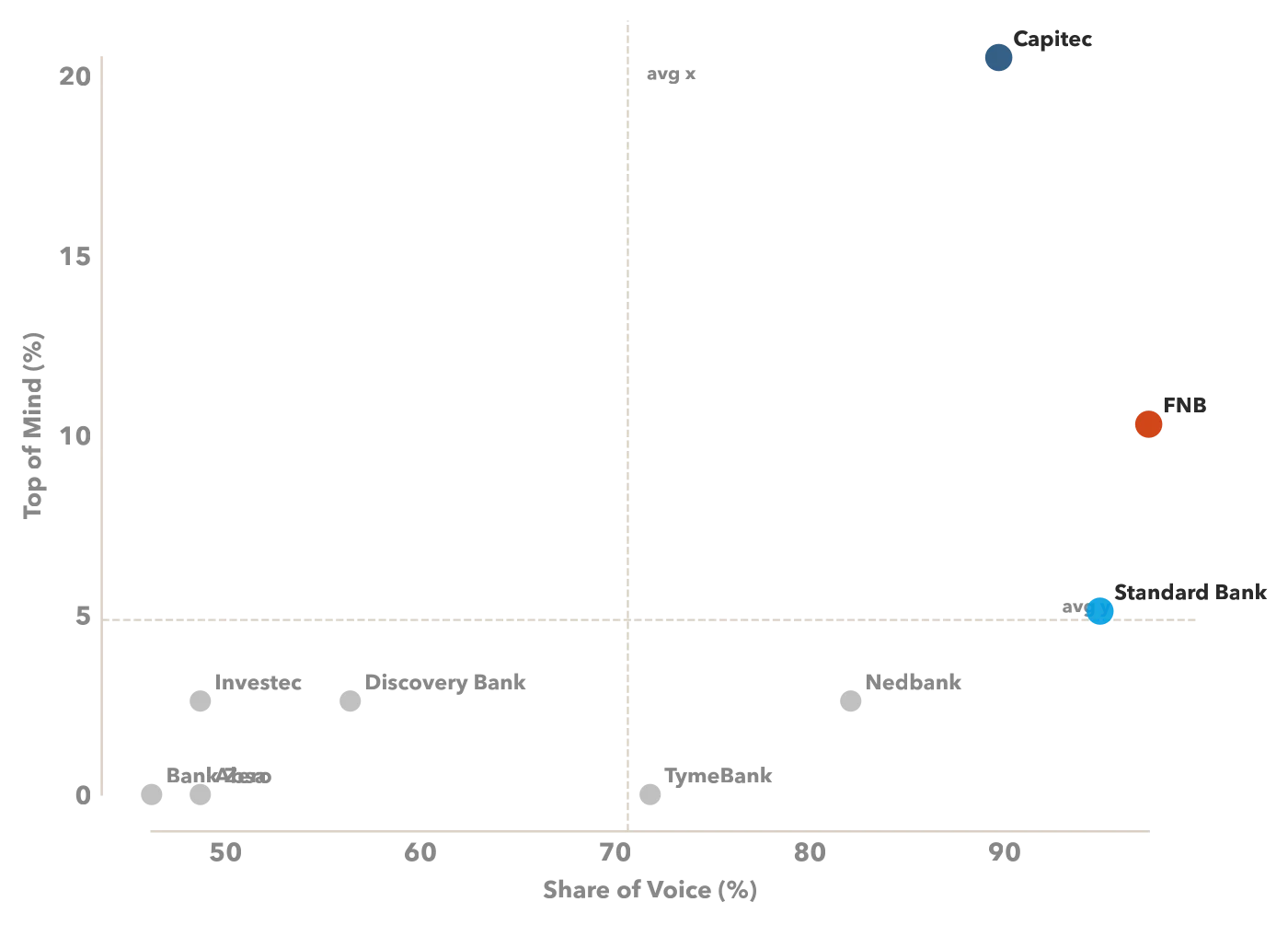
llmeknow starts in the measurement camp. It runs structured research campaigns across the major AI models, using audience personas so that each question is asked the way a real segment of your market would ask it. It extracts the entities that matter to your research (brands, attributes, pain points, or any category you define), tracks share of voice and how AI characterises each entity, and captures which sources the models cite.
Its Search Intelligence module then closes the loop on GEO. Because llmeknow watches the models answer live, it collects the actual search queries they ran along the way. From those queries and the cited sources, the module audits your website’s crawlability, maps the competitive landscape of pages feeding AI answers in your category, and produces a prioritised action plan: quick wins, content opportunities, and technical fixes.
What it does not do is execute the plan. The content and PR work is yours; the next wave measures whether it moved anything. And what llmeknow adds that generic GEO tools do not is the audience dimension: the same question asked by different segments gets measurably different answers, and averaging over that difference hides the insight.
Common questions
Related reading
Understanding AI influence
The umbrella view: how this fits with SEO and LLM monitoring more broadly.
How to track brand presence in AI search
A step-by-step process for measuring how AI models talk about your brand.
Monitor brand mentions in AI chatbots
How llmeknow tracks what ChatGPT, Claude, Gemini, and Grok say about your brand.
AI brand sentiment monitoring
See how AI characterises your brand, and how that shifts by model and audience.
Measure before you optimise.
Explore the platform for 30 days with no subscription fee and no card. You pay only for the AI responses you generate, with the estimated cost shown before anything runs. No subscription starts unless you choose one.