AI brand sentiment monitoring
See how AI characterises your brand.
When AI mentions your brand, it also characterises it: a tone, a set of recurring attributes, sometimes a caveat. llmeknow measures how every major AI model describes your brand, and how that description shifts by model and audience segment.
The problem
A mention is not an endorsement
Two brands can have identical share of voice in AI answers while one is described as "the affordable, reliable choice" and the other as "a common option, though customers report slow service". Both count as mentions. Only one wins the sale.
AI models absorb years of reviews, forums, news, and comparison articles, and they compress all of it into confident characterisations. If that compression settled on the wrong story about your brand, every AI conversation with your buyers repeats it.
The approach
How llmeknow reads sentiment
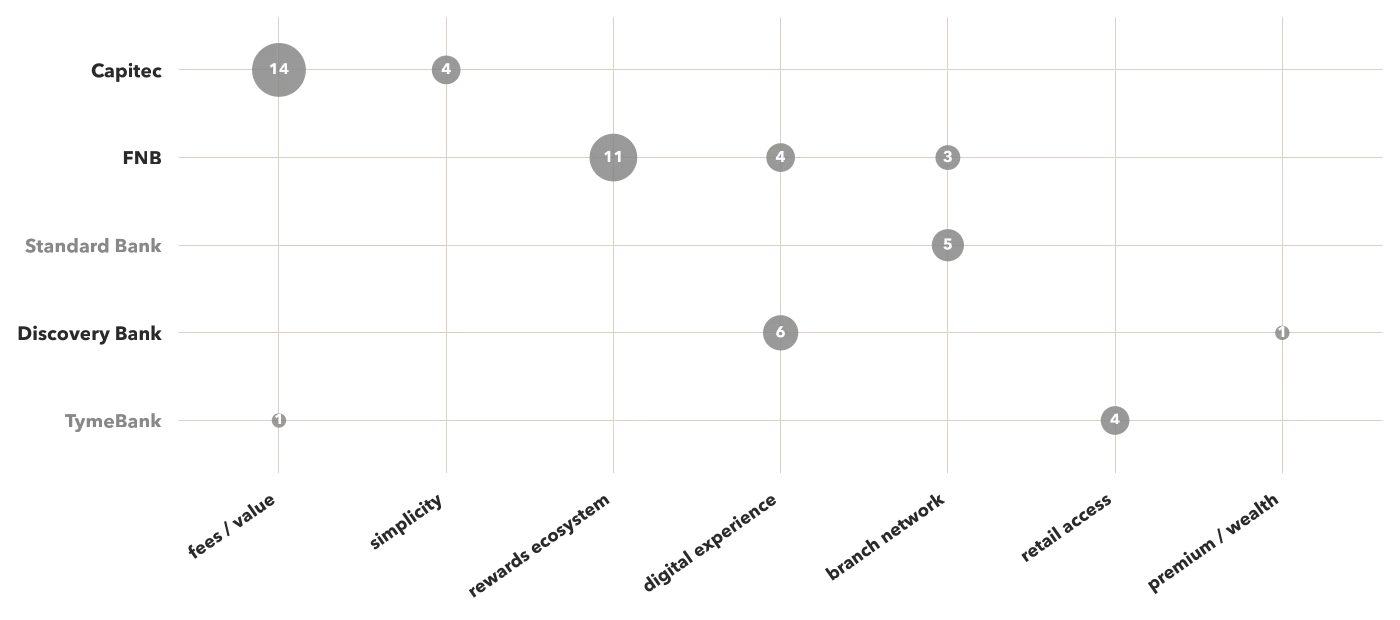
llmeknow treats AI sentiment the way a researcher would. It runs your buyers’ questions through every major model, then analyses how each brand is described in the responses: which attributes recur, what tone accompanies each mention, and which caveats or praise the models volunteer.
The result is a characterisation profile per brand: the words AI reaches for when your brand comes up, alongside the same profile for every competitor you track.
The audience dimension
Sentiment shifts with the person asking
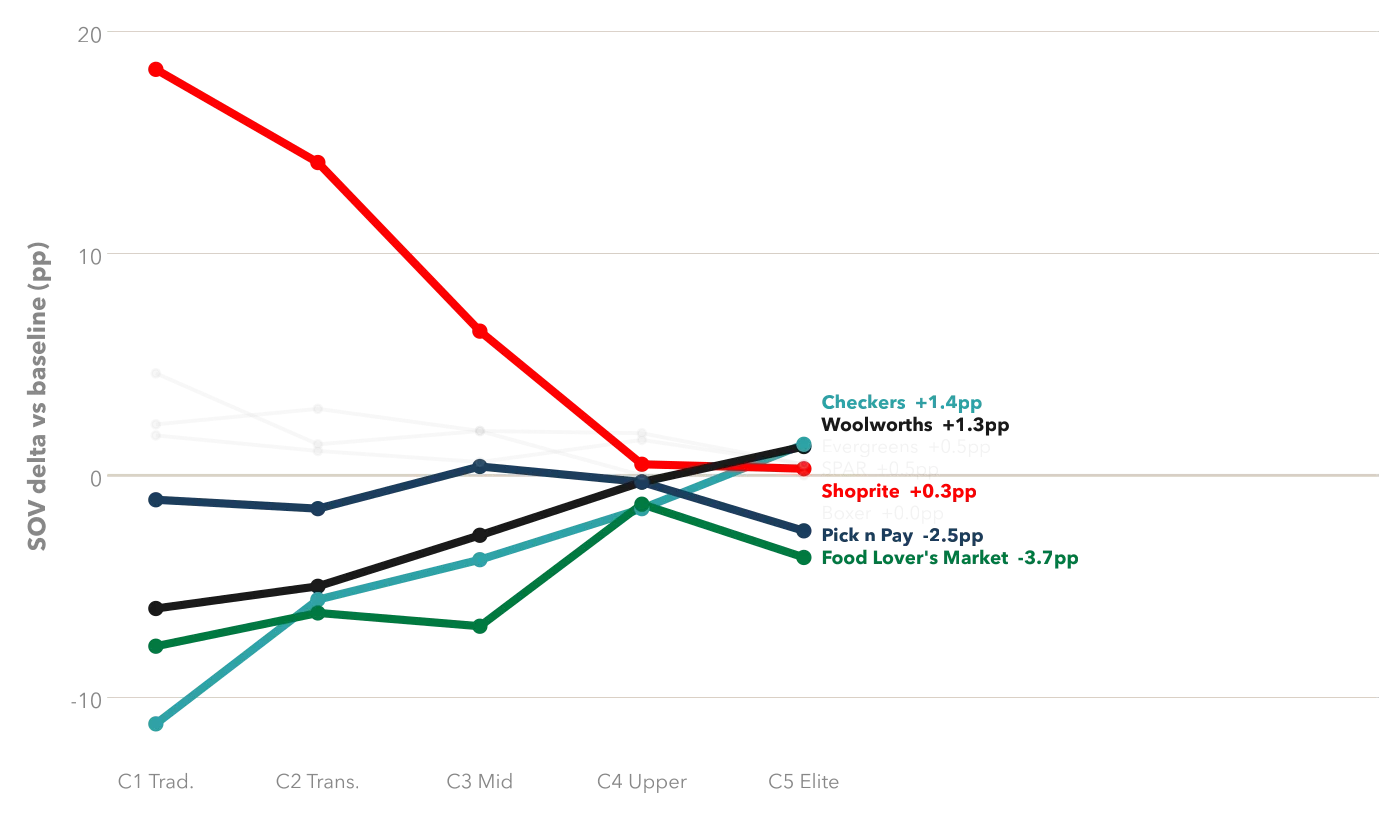
The same brand can be "a solid premium choice" when a high-income segment asks and "probably more than you need" when a budget-conscious one does. Neither answer is wrong; they are different framings for different audiences, and the models produce them automatically.
llmeknow measures characterisation per audience segment against a no-segment baseline, so you can see where AI’s story about you diverges across your market, and whether the divergence helps or hurts.
The output
What each research wave gives you
A wave is one full run of your questions across every model and segment. Each one produces:
- Recurring attributes per brand: the descriptors AI attaches to you and each competitor, tracked over time.
- Tone by model: which models talk you up, which hedge, and which recommend a rival.
- Segment contrasts: where characterisation diverges between audiences, versus the baseline.
- Full responses: every AI answer stored and inspectable, so any finding traces back to the text that produced it.
Honesty note
What this is not
AI answers are probabilistic, and llmeknow does not pretend otherwise. This is structured perception research: repeated sampling across models, questions, and segments, so patterns separate from noise. It tells you the story AI reliably tells about your brand. It does not claim to predict a single conversation, and no tool honestly can.
Common questions
Related reading
Understanding AI influence
How GEO, AEO, SEO, and LLM monitoring fit together as one discipline.
Monitor brand mentions in AI chatbots
The full monitoring picture: share of voice, recall, and sources.
How to track brand presence in AI search
A step-by-step process for measuring how AI talks about your brand.
Brand name monitoring and entity recognition
How mentions are identified and variant names grouped into clean entities.
Hear the story AI tells about you.
Explore the platform for 30 days with no subscription fee and no card. You pay only for the AI responses you generate, with the estimated cost shown before anything runs. No subscription starts unless you choose one.